How to Detect Hidden Mold Under Your Carpet Before It Spreads
@underfootliving
November 13, 2026 · 6 min read
Signs of hidden mold beneath carpet
Mold under carpet is often invisible until the damage is well advanced. The first clue is usually a musty, earthy smell that grows stronger when you walk across the room. If you notice a persistent odor near the floor, especially in areas that have been damp, mold is likely growing underneath. Another early sign is discoloration or staining on the carpet surface itself, particularly in patches that feel damp or cool to the touch. You might also see a fine white or greenish powder on the carpet backing when you lift a corner. These visual cues, combined with smell, are strong indicators that you need to investigate further.
The most reliable way to confirm mold is to physically check the carpet and the padding beneath. Lift a corner of the carpet in a suspect area and look at the underside. Mold often appears as black, green, or white spots on the backing or on the padding. If the padding feels wet or crumbly, that is a clear sign of fungal growth. Even if you see nothing, a damp or musty smell trapped under the carpet means moisture is present, and mold will follow. Carpet Mold Removal Services Pros carpet mold inspection can help you determine whether the problem is surface-level or has penetrated the padding and subfloor. This is a practical step when you cannot access the area easily or when the smell is strong but the carpet looks clean.
Why mold grows under carpet
Mold needs three things to thrive: moisture, a food source, and still air. Carpet provides an ideal food source because the fibers, backing, and padding contain organic materials like cellulose and proteins. When moisture gets trapped beneath the carpet, whether from a spill, high humidity, a leak, or flooding, mold spores that are always present in the air settle and begin to grow. Even a small amount of moisture that does not dry completely within 24 to 48 hours can start the process. The carpet acts like a lid, trapping the moisture and preventing airflow, which creates a perfect microclimate for mold.
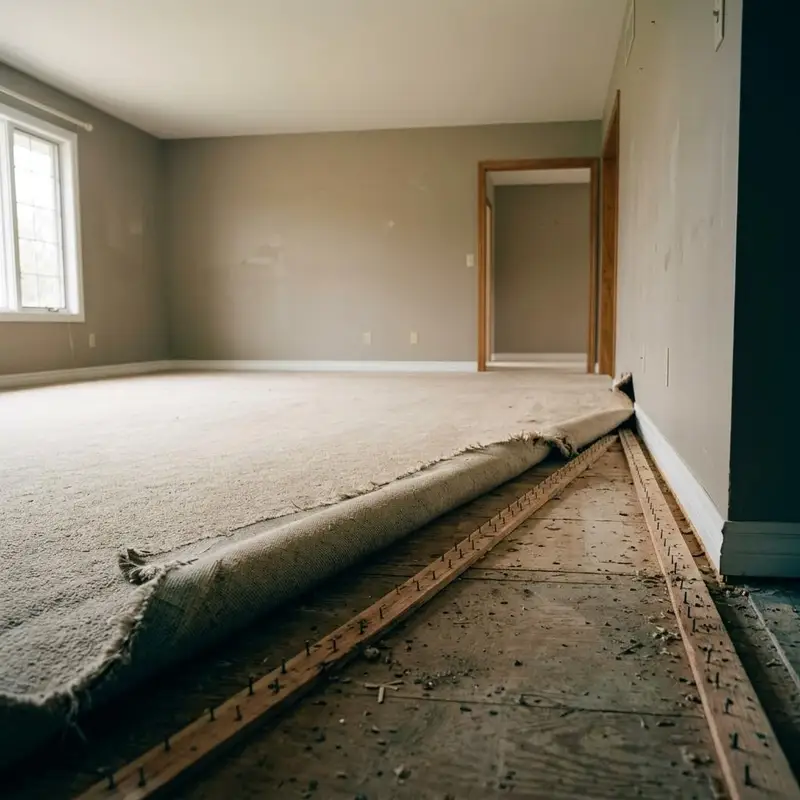
Common sources of moisture include plumbing leaks, roof leaks, spills that were not fully cleaned, high humidity in basements, and condensation from air conditioning ducts. Sometimes the moisture comes from the subfloor itself if the concrete or wood is not properly sealed. In humid climates, even normal foot traffic can push moisture into the carpet fibers, especially if the carpet is old or the padding is worn. Recognizing these sources helps you decide where to focus your testing efforts.
Practical ways to test for carpet mold
You do not need expensive equipment to start testing. Begin by using your senses. Walk the room with bare feet or socks. If the carpet feels damp, cool, or sticky in spots, those areas are likely holding moisture. Place a moisture meter on the carpet; these devices are inexpensive and available at hardware stores. A reading above 20 percent indicates a high risk of mold growth. For a more thorough check, you can use a hygrometer to measure the humidity in the room. If the relative humidity stays above 60 percent, the environment is favorable for mold.
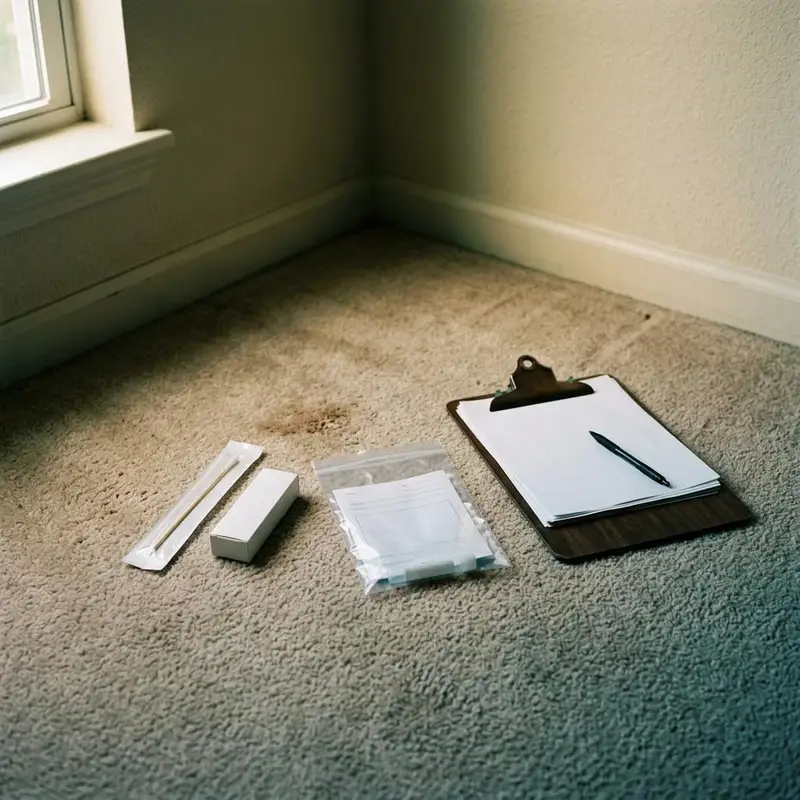
Another simple test involves a plastic sheet. Tape a clear plastic sheet to a section of carpet and leave it for 24 hours. If condensation forms on the underside of the plastic, moisture is moving up from the carpet or the subfloor. This method is particularly useful in basements or rooms with slab foundations. For a more direct approach, lift a corner of the carpet and inspect the padding and subfloor. If you see visible mold or feel moisture, the contamination is present. For a definitive answer, you can take a sample of the carpet padding or subfloor material and send it to a lab for mold spore analysis. However, most people can make a confident judgment with the sensory and plastic-sheet tests alone.
When professional testing is worth it
If you have tried the basic tests and still cannot decide, or if the area is large and the smell is persistent, professional testing may be the right next step. Carpet Mold Removal Services Pros carpet mold inspection uses specialized tools like moisture meters, infrared cameras, and air sampling equipment to detect hidden moisture and mold that are not visible to the naked eye. These professionals can also identify the type of mold, which matters for health and remediation planning. For example, some molds are more allergenic or toxic than others, and knowing the species helps determine the safest removal approach.
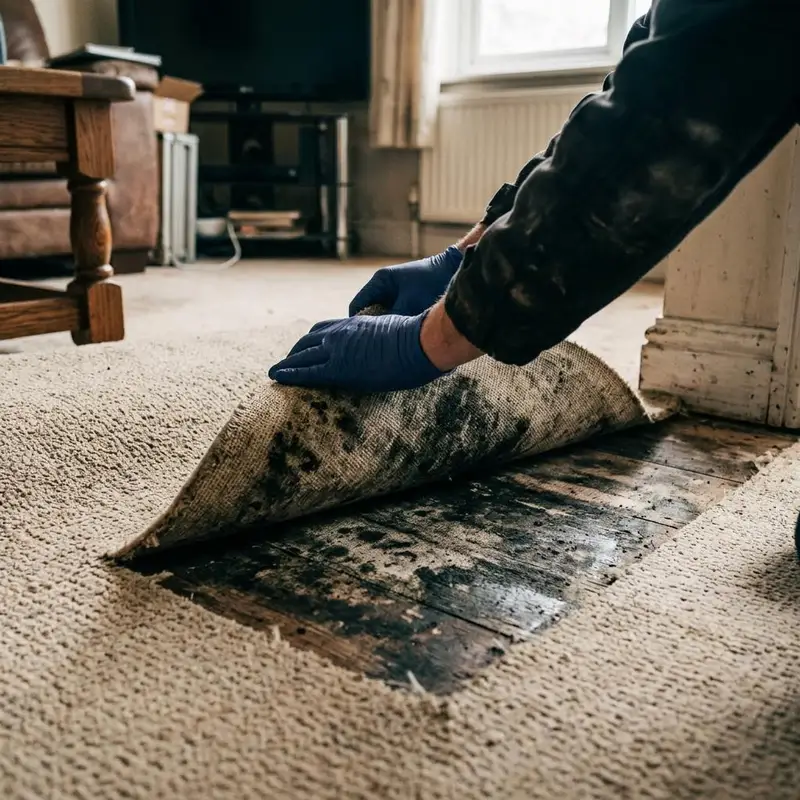
Professional testing is especially important if anyone in the household has asthma, allergies, or a weakened immune system. Mold spores can become airborne and spread throughout the home, causing respiratory issues even if the visible carpet looks clean. A professional inspection can also reveal whether the mold has spread to the subfloor or the walls, which would require more extensive remediation. The cost of testing is usually modest compared to the expense of replacing carpet, padding, and possibly subfloor if the problem is ignored. In some cases, the inspector may recommend a simple cleaning and drying process if the mold is caught early. In others, they will advise removal of the carpet and padding entirely.
What to do after you detect mold
If your tests confirm mold, the first step is to stop the source of moisture. Fix any leaks, improve ventilation, and reduce humidity with a dehumidifier or by opening windows. Then you need to decide whether to clean the carpet or remove it. Small spots of mold on the surface can sometimes be cleaned with a mild detergent and water, followed by thorough drying. But if the mold has reached the padding or the subfloor, replacement is usually the only safe option. Mold in padding is almost impossible to remove completely, and the padding will continue to release spores into the air.
When removing the carpet, wear protective gear including gloves, goggles, and an N95 mask. Seal off the room with plastic sheeting to prevent spores from spreading to other parts of the house. Remove the carpet and padding in large pieces, bag them immediately, and dispose of them according to your local regulations. Clean the subfloor with a solution of detergent and water or a commercial mold cleaner, and allow it to dry completely before installing new carpet. If the subfloor is wood, you may need to sand it or replace damaged sections. For concrete subfloors, a sealant can prevent future moisture problems.
Preventing future mold under carpet
The best prevention is moisture control. Keep indoor humidity below 50 percent, especially in basements and bathrooms. Use a dehumidifier if necessary. Avoid installing carpet in areas that are prone to moisture, such as basements with poor drainage or rooms with frequent spills. If you do install carpet in a high-moisture area, choose a synthetic fiber like nylon or polyester, which is less absorbent than natural fibers like wool. Also, use a vapor barrier or a moisture-resistant padding to protect the carpet from ground moisture. Regularly inspect the carpet for signs of dampness, especially after heavy rain or plumbing work. Promptly dry any spills or leaks with fans and towels, and never let water sit on the carpet for more than 24 hours. By staying attentive to moisture and acting quickly, you can keep mold from gaining a foothold beneath your carpet.